trekking • hiking trails • Coastal Path (Kyststi) • Hammeren • Almindingen • Gudhjem • Paradisbakkerne • Dueodde
Bornholm in 2nd place: “The most beautiful trekking region in Europe”
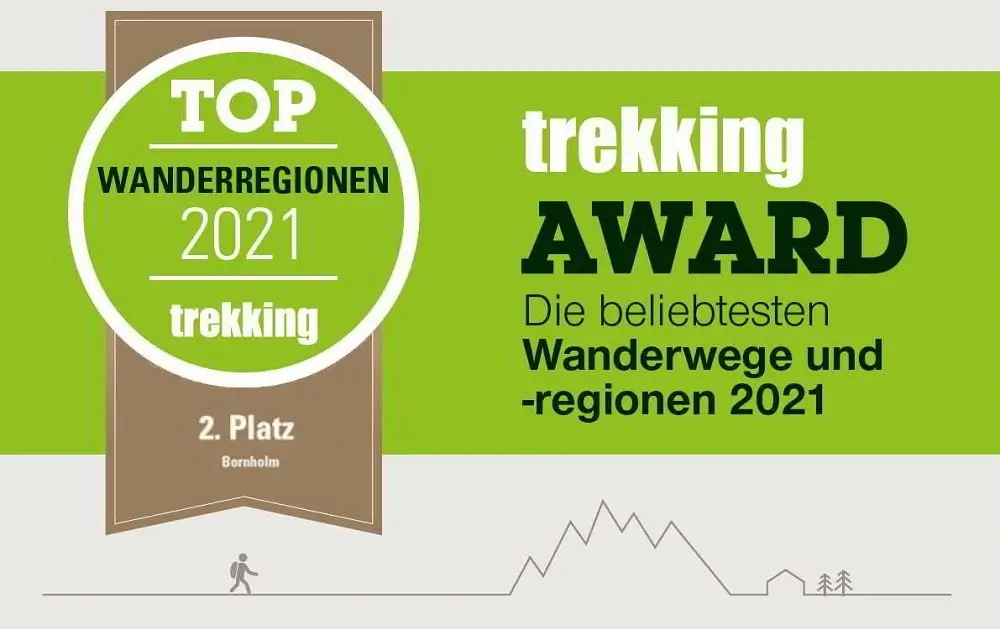
“Trekking Magazin” published the results of its readers’ vote for the 2021 tourism award. In the category “The most beautiful trekking regions in Europe”, Bornholm ranked 2nd. A perfect excuse to plan hikes—from Hammeren and Almindingen to Paradisbakkerne and Dueodde.
Award
2nd place (2021)
Best for
hiking & trekking
Style
trails + views
Tip
1–2 sections per day
“Trekking Magazin” is a major German travel magazine with millions of readers. In 2021, readers voted in its annual tourism awards.
In the category “The most beautiful trekking regions in Europe”, Bornholm took 2nd place!
VisitBornholm fully agrees—we’re thrilled and proud of Bornholm.
Hiking routes on Bornholm
A great idea for an active week on Bornholm is a hike around the island.
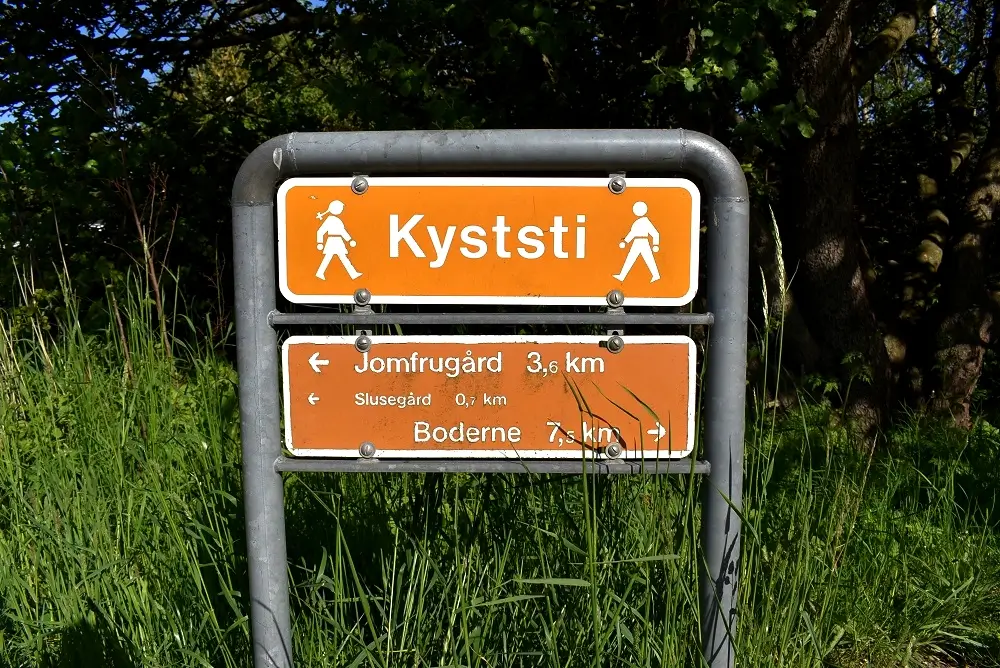
Trails are marked with boards showing a walking figure and the name: Kyststi (the Coastal Path).
Almost 150 km of route leads through the most scenic corners of Bornholm’s coastline.
The landscape changes like a kaleidoscope: the south offers wide, sandy beaches,
while the northern tip features dramatic cliff coastlines with waves crashing against granite.
The Hammeren hiking trail
The northern tip of the island and the trail around the granite hill of Hammeren is one of the most beautiful hikes in Denmark. In the Middle Ages, the surrounding waters were rich in herring. From late August to early October, fish fed close to shore. The promise of full nets attracted fishermen and merchants, mainly from Germany. During the season, they built temporary settlements and market stalls. The coast buzzed with life.
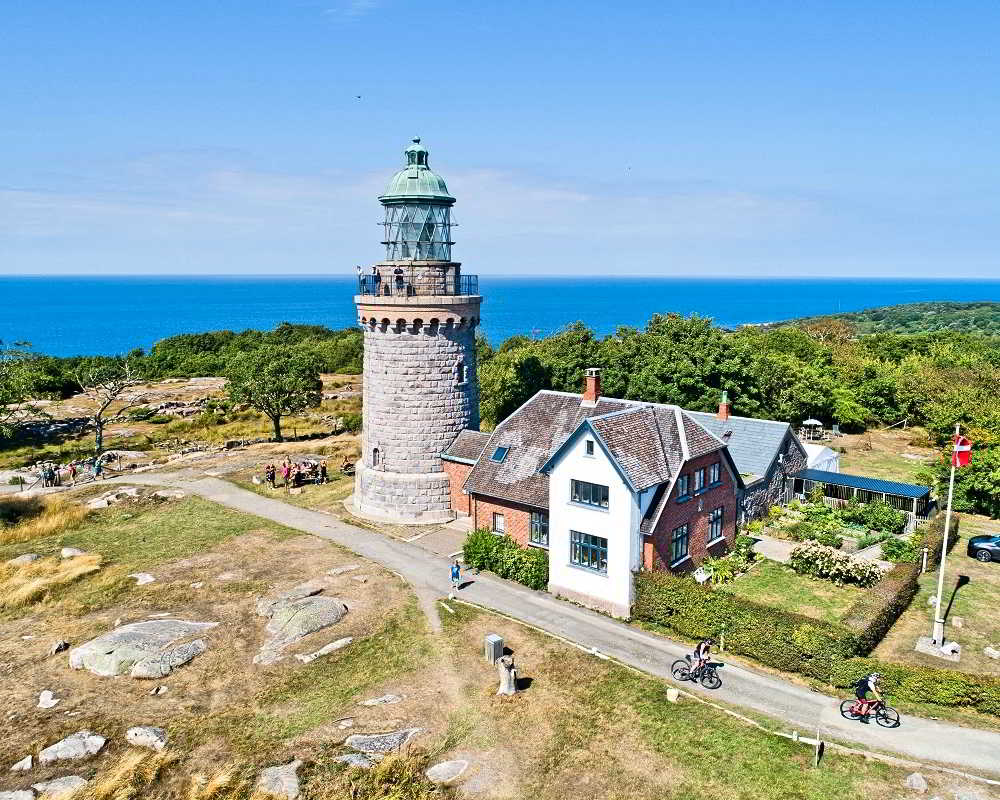
Today, that era is remembered mainly by the ruins of Solomon’s Chapel, once a place of prayer and quiet for seasonal visitors. The trail continues toward the historic (now inactive) Hammer Fyr lighthouse. On a clear day, you can see as far as Sweden from the terrace.
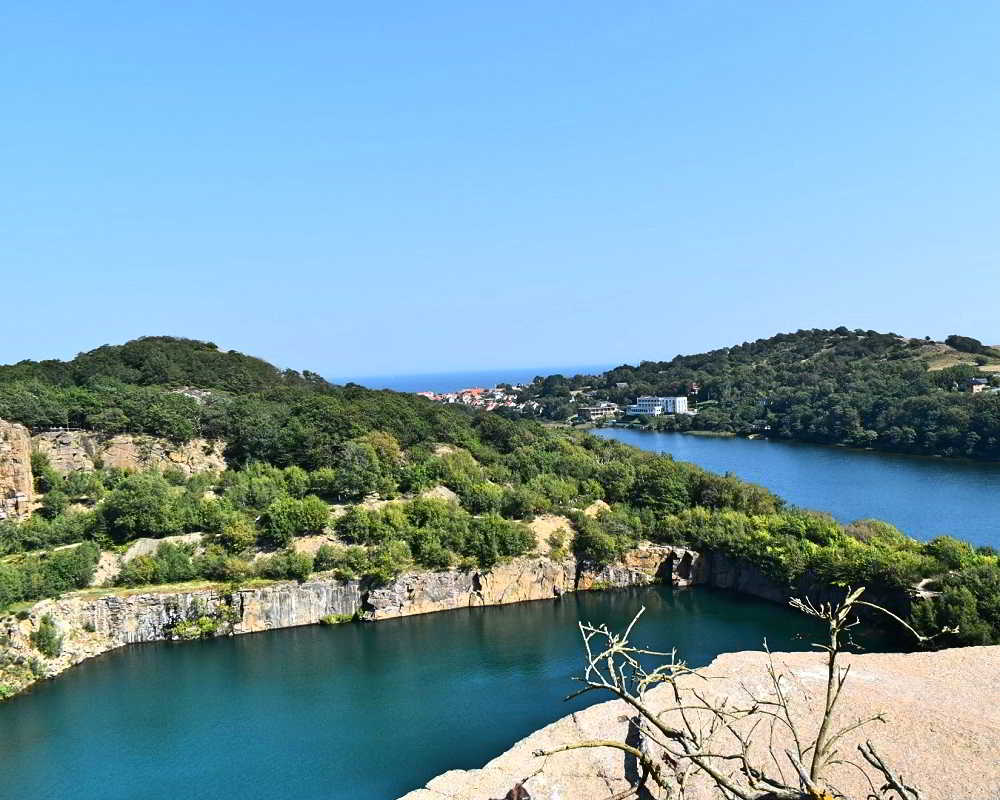
Beyond the lighthouse lies the most spectacular part of Hammerknuden—the former quarry area. Granite extracted here (alongside herring) was one of the island’s most valuable exports. The trail leads to Opalsø, an emerald lake created in the quarry, and to Hammersø—the island’s largest glacial lake. See also: Lakes and peat bogs on Bornholm.
If you combine hiking with sightseeing, don’t miss: Hammershus Castle Ruins.

The mysterious Almindingen forest
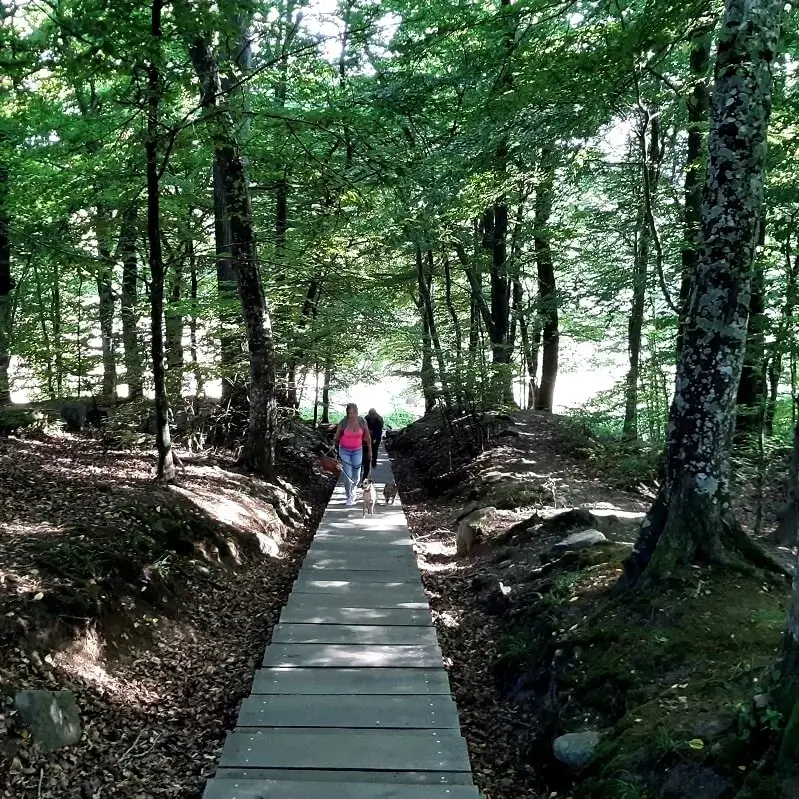
Another fascinating place is Almindingen—Denmark’s fifth-largest forest, covering about 50 km² of picturesque hills and valleys, rocky walls, peat bogs and small lakes. It’s a paradise for hikers, keen cyclists, and—especially in autumn—mushroom pickers. But it wasn’t always like this. Almindingen loosely translates as “belonging to all people”. For centuries, sheep, cows and horses grazed on grassy clearings, and trees were cut for firewood. Only in 1800 did Hans Rømer, Bornholm’s first royal forester, enclose the area with a stone wall and begin reforestation. Over 200+ years, Almindingen grew into one of Denmark’s most beautiful forests.
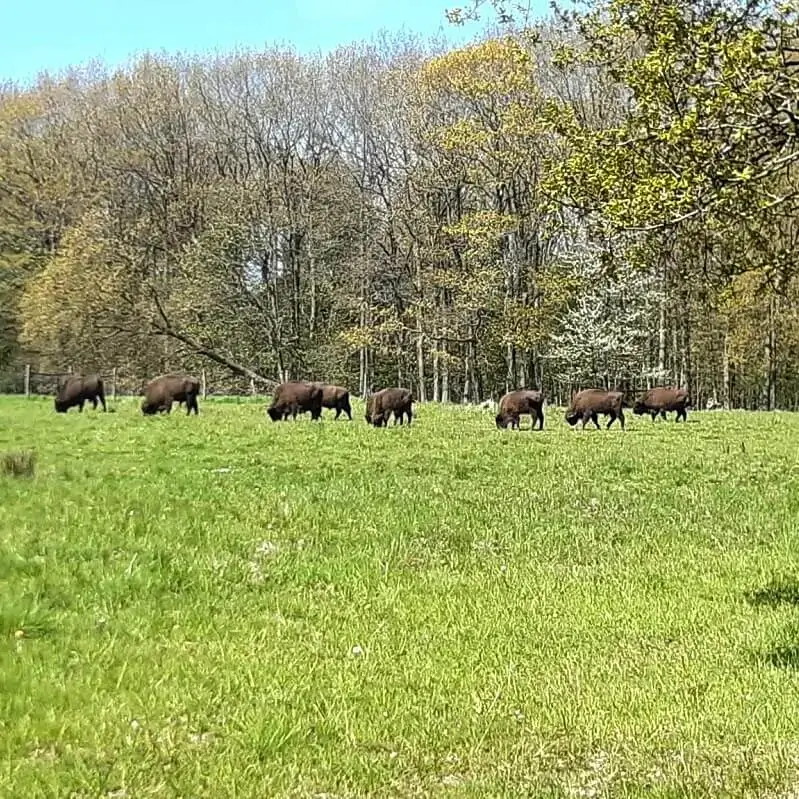
A few years ago, seven European bison were brought here from Poland, and the herd has grown over time. You may spot them while walking (and even driving!) through a part of Almindingen known as the Bison Forest.
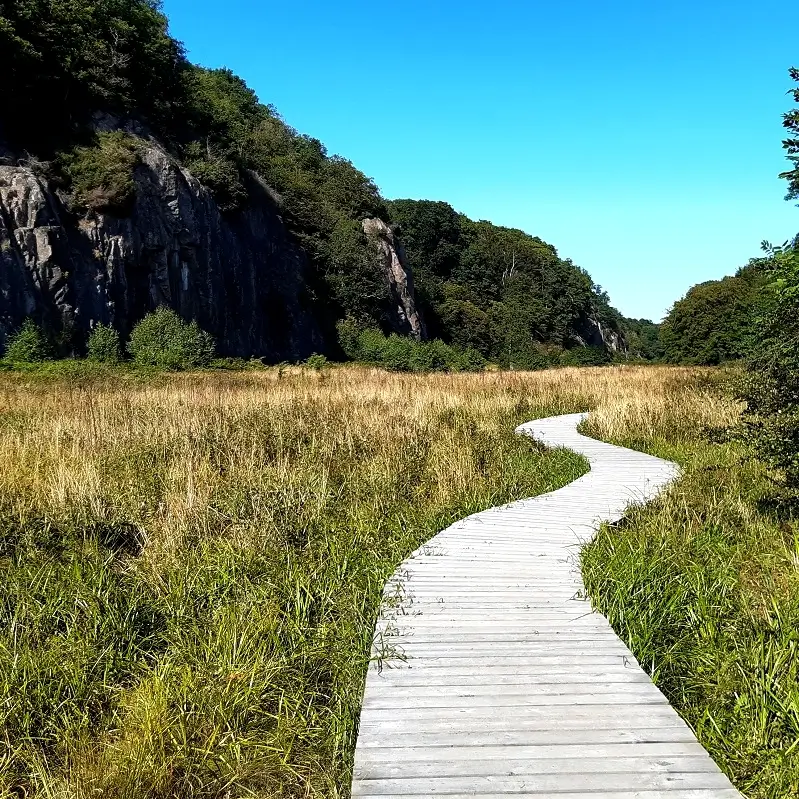
In the heart of Almindingen lies the mysterious Ekkodalen (Echo Valley), famous for its unusual acoustic effect— echoes bouncing off the valley’s tall rock walls. It’s a popular place where visitors can admire unique rock formations and experience memorable natural sound phenomena. Walking through Ekkodalen can feel like stepping into a fairy-tale landscape, where nature plays with sound and space.
More inspiration: Almindingen – overview & practical info.
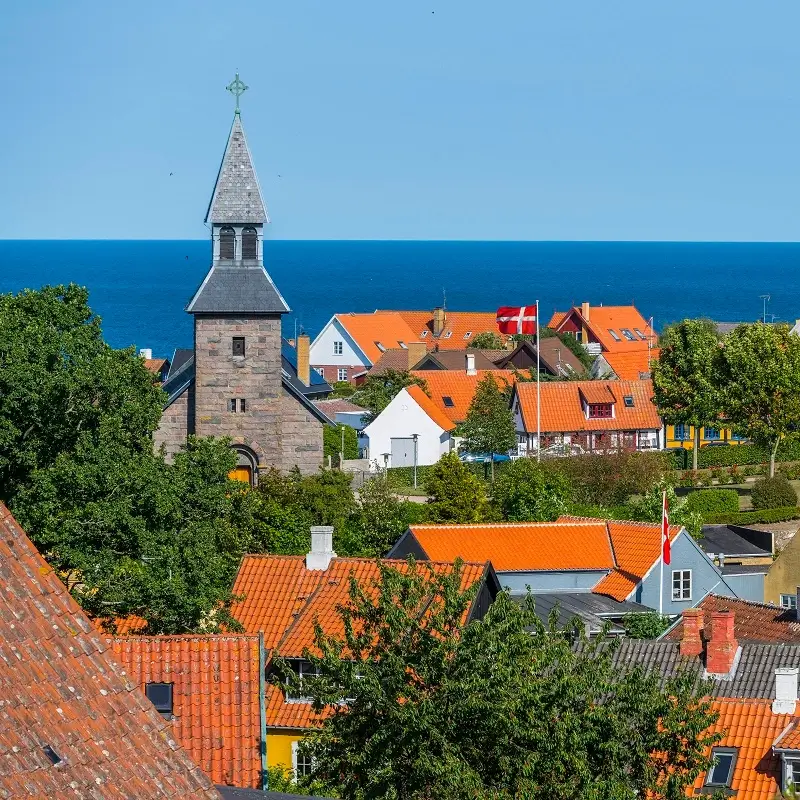
Gudhjem and the surrounding area
Another great stop is Gudhjem and its surroundings. From Bokul, the viewpoint above town, you’ll understand why painter Oluf Høst fell in love with this fishing village. He was the only representative of the Bornholm School of Danish Expressionism who was born on the island, and he spent most of his life here. The Bognemark farm near Gudhjem was his favourite motif—it appears in more than 200 paintings.
Walking the narrow streets, you’ll pass colourful houses with red-tiled roofs and gardens full of wind-tossed hollyhocks. In summer, boats depart from Gudhjem harbour to the island of Christiansø, and cruises also run along the coastal cliffs of Helligdomsklipperne. These steep cliffs (over 20 metres high) and the caves hidden between them were once a pilgrimage destination— a chapel and a spring believed to have healing powers existed here. Today, you can admire the rocks from both the sea and the land.
Before heading out for another walk, stop at a local smokehouse and try a Bornholm classic: “Sun over Gudhjem”—herring served with egg, radish and onion.
Useful links: Ertholmene (Christiansø) • Helligdomsklipperne (Holy Rocks)
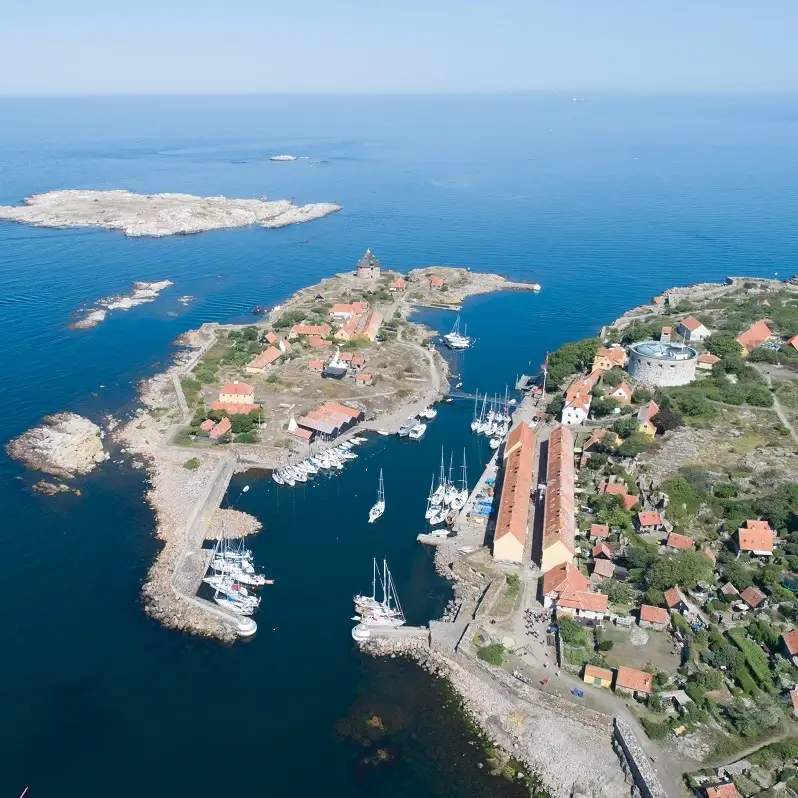

Paradisbakkerne – the “Paradise Hills”
Another great hiking area is Paradisbakkerne, where you can choose between three routes: red, blue and yellow. Paradisbakkerne is a forested, glacially carved hill landscape in the south-east of Bornholm, criss-crossed with trails suited to different fitness levels.
For example, the yellow route starts at the parking area by Oksemyrvej and continues toward the Gamledam bog, through the narrow and deep Dybedal valley, and then Ravnedal, where rock walls rise to nearly 20 metres.
Passing the highest point in the area—Midterpilt (over 100 metres)—you’ll slowly approach Paradisbakkerne’s main attraction: the massive rocking boulder Rokkestenen. Although it weighs around 30 tonnes, it’s said you can rock it. Follow the instructions on the nearby sign: place your hands on the most protruding part and push with all your strength.


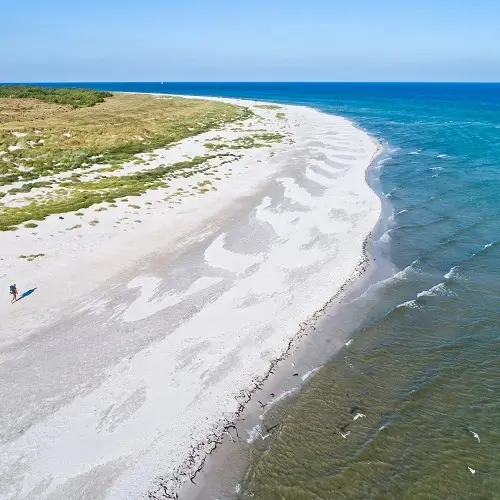
Or maybe sandy beaches?
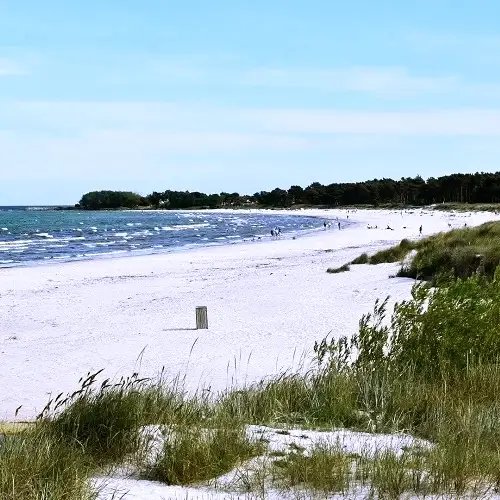
Another excellent area for long walks is the coastline—especially Dueodde, the island’s most famous and most visited beach, located in the south-east. The fine sand from Dueodde was once used to fill hourglasses. The calm sea surface shimmers in the sun with every shade of turquoise. The seabed slopes gently here, so the Baltic is rarely rough, and the water is exceptionally clear.
See more: Beaches on Bornholm.
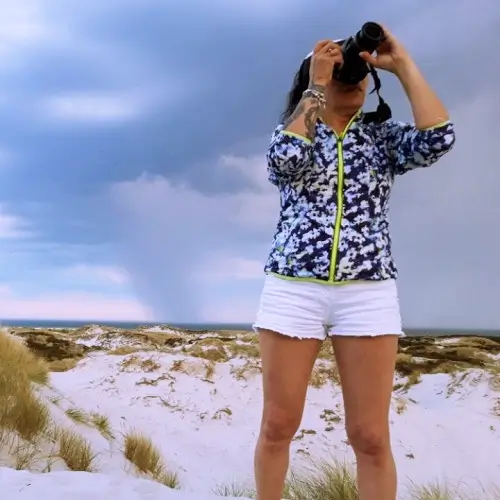
Visiting all these beautiful parts of the island on foot is the best way to discover Bornholm’s diversity and beauty— so much packed into one place…
FAQ: trekking and hiking routes on Bornholm
What does it mean that Bornholm ranked 2nd in the trekking ranking?
It’s the result of the readers’ vote in “Trekking Magazin” (Tourism Award 2021) in the category “The most beautiful trekking regions in Europe”. In practice: Bornholm is appreciated for diverse landscapes and excellent conditions for hiking.
Which route is best for a first-time visit?
For a classic first hike: choose the Hammeren area (views, lighthouse, lakes) and combine it with sightseeing at Hammershus.
How much time should I plan for trekking on Bornholm?
For a relaxed pace, plan a few days and hike 1–2 sections per day. If you have just 1 day, pick one region: Hammeren or Almindingen.
Is Bornholm good for hiking outside the main season?
Yes—many trails and viewpoints are accessible year-round. In cooler months there are fewer people, and the views (especially along the cliffs) are still impressive.
What else is worth adding to a plan beyond trekking?
For variety, consider a day trip to Ertholmene (Christiansø) and a walk near Helligdomsklipperne.
Plan your trekking trip on Bornholm
Save 2–3 must-sees on your route: Hammershus, Christiansø (Ertholmene), and the viewpoints around Gudhjem. Then adjust the pace to match your style.