BORNHOLM • TOWNS • GUDHJEM
Gudhjem – Bornholm’s cliffside harbour town
Gudhjem is one of Bornholm’s most distinctive towns: built on a steep cliff and often called Denmark’s only “mountain town”. Twisting lanes climb up from the old harbour, lined with cafés and restaurants and framed by Baltic Sea views.
Place type
harbour town
Best for
families, couples, solo
Vibe
views, food, strolls
Region
north-east Bornholm
Gudhjem – harbour atmosphere, Brøddegade and sea views
Gudhjem is a unique Bornholm town set on a steep cliff, with winding streets that lead down to the old harbour. The summer vibe is unmistakable, and it’s easy to “taste” the island in the small cafés and restaurants along the way.
The best-known route to the harbour is the steep Brøddegade (local “brødde” means hill). Climb higher for viewpoints towards the Ertholmene archipelago, the town’s rooftops and the iconic windmill. In season, Gudhjem feels lively with concerts, crafts and workshops — and there are great hiking routes nearby.

Gudhjem’s history: trade, smoked fish and tourism
Gudhjem’s roots go back to the Middle Ages, when it became an important trading post — especially for herring. In the 17th century the town was hit hard by plague, but later revived as refugees from Sweden arrived and helped supply a nearby fortress.
Gudhjem is also famous for smoked fish: the first large smokehouse was established in the 19th century, and the tradition continues today. A large harbour was built in 1872 and expanded several times, with a gate that helps protect boats from Baltic storms. By the late 19th century, the first tourists arrived — and Gudhjem remains a popular destination from spring to autumn.
In 1916 Gudhjem gained a railway connection, making it easier to travel to Rønne, Nexø and Aakirkeby. Although the line operated only until 1952, Gudhjem’s story as a hub for trade, smoked fish and tourism still fascinates visitors.

What to see in Gudhjem
Highlights from your content — without leaving anything out.
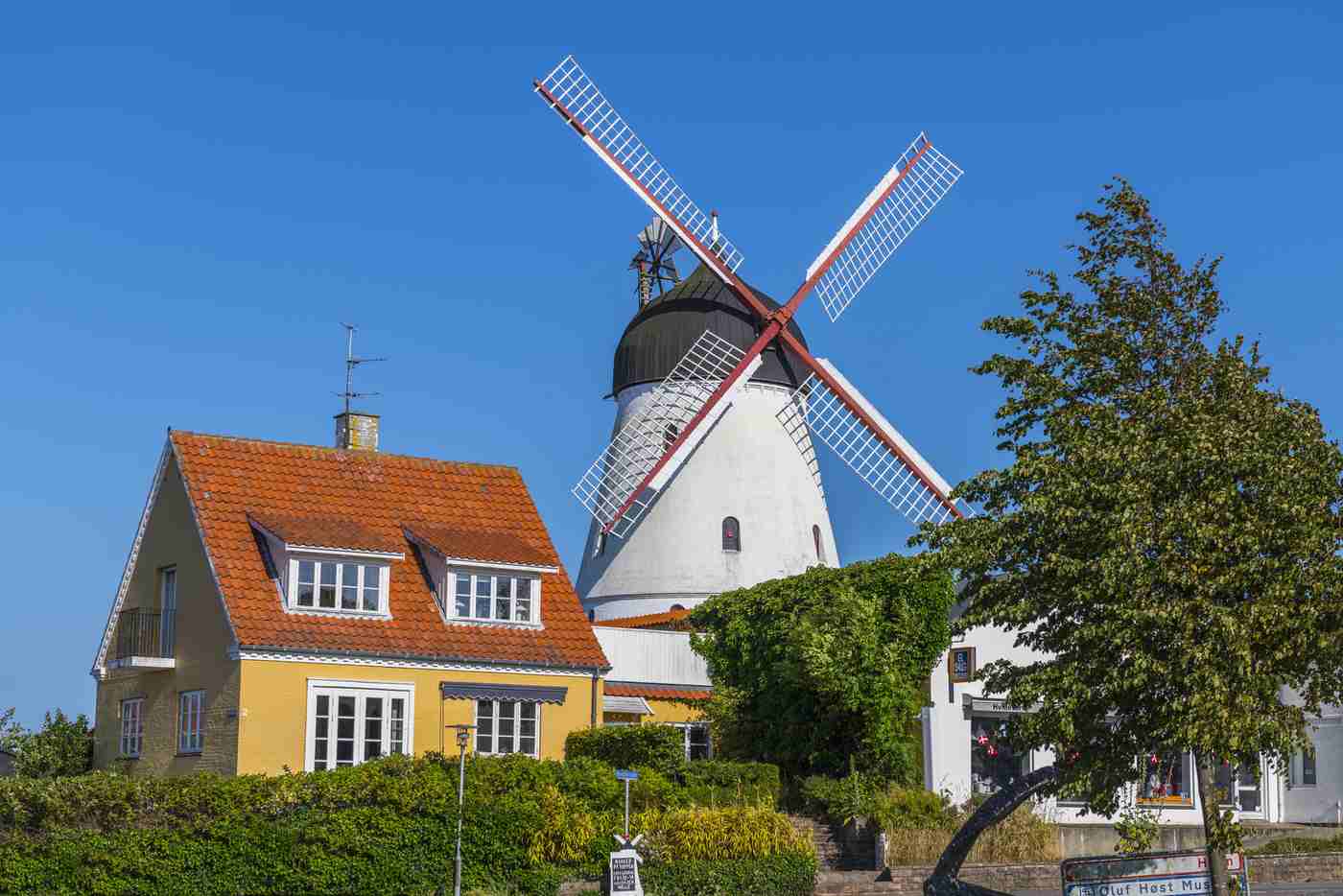
Gudhjem Windmill (Gudhjem Mølle)
One of Denmark’s most impressive landmarks, this large Dutch-type windmill from 1893 is both an architectural icon and a cosy restaurant. Set above the town, it combines great food with panoramic views over the surrounding landscape.
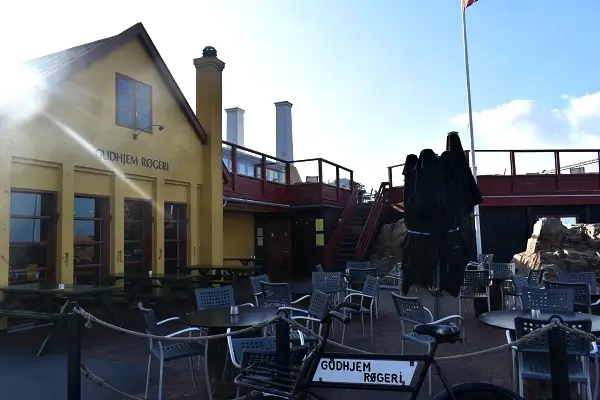
Gudhjem Røgeri
A must for fish lovers: Gudhjem’s smokehouse is famous for smoked herring and other seafood dishes. Try smoked herring, herring in curry, or mackerel fillets — and if you want to sample a bit of everything, go for the fish buffet (Fiskebuffet).

Glasrøgeri
A great stop if you’re into glass art: watch skilled artisans shape molten glass into finished pieces. Afterwards, browse the shop for Bornholm souvenirs — vases, glasses, sculptures, jewellery and more.
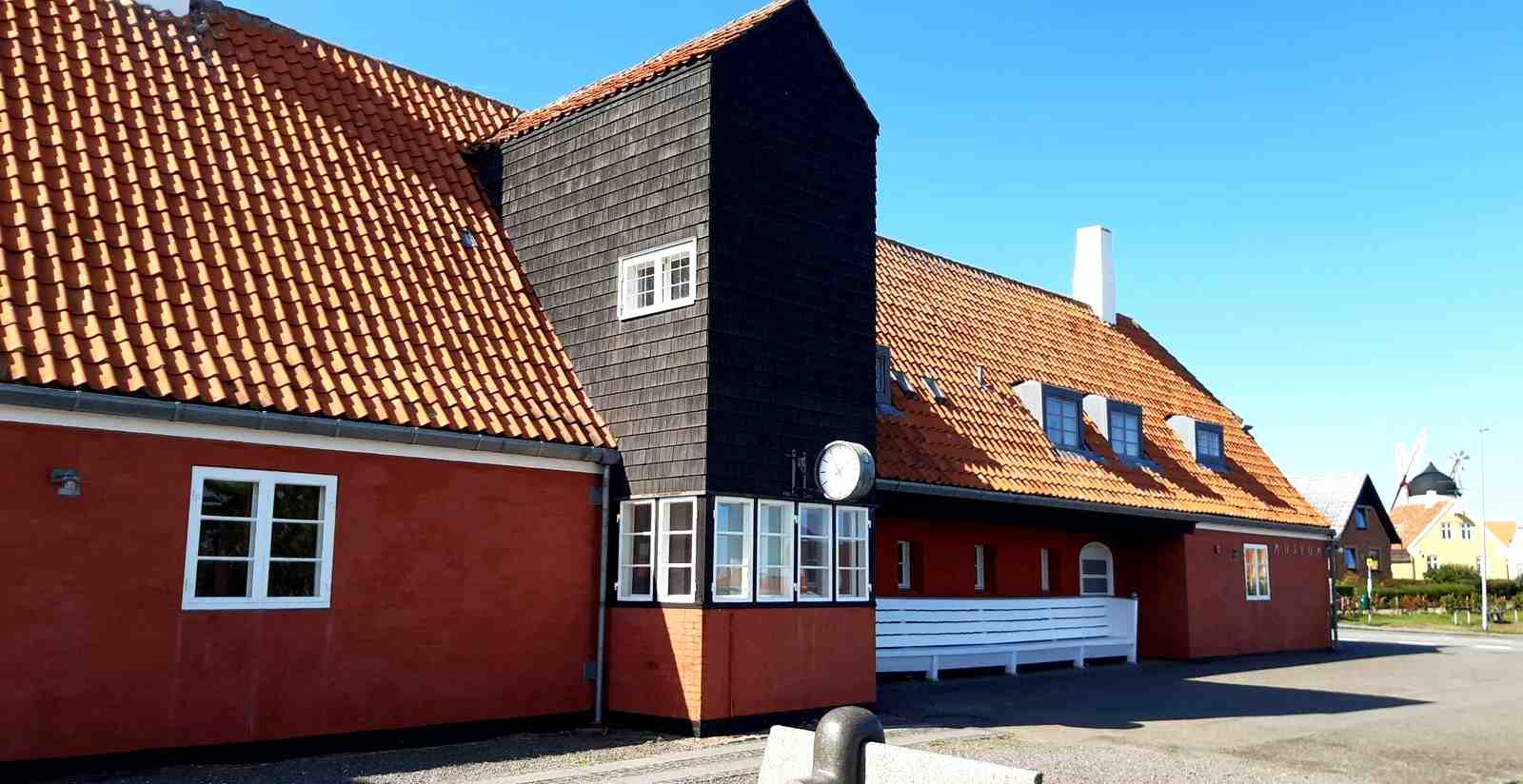
Gudhjem Station (Stationsvej)
The local history archive is housed in the old station building. It collects documents, photos and objects connected to the town’s fishing past and the area’s heritage, and also supports local-history exhibitions (for example, trade and crafts on Brøddegade over 100 years). You can also find written accounts and audio recordings from long-time Gudhjem residents.
Christiansø (Ertholmene)
Christiansø lies in the Baltic Sea about 18 km north-east of Bornholm and is part of Denmark’s Ertholmene archipelago.
The archipelago includes two main islands — Christiansø and Frederiksø — plus several smaller islets. Christiansø is the administrative centre (museum, church, school and staff housing), while Frederiksø, connected by a bridge, is more rugged and wild. Together, they form a unique nature reserve.
The fortified history dates back to the 17th century, when King Christian V strengthened the islands as part of Baltic defence and maritime control. The islands also served as a base for the Danish navy.
Things to do near Gudhjem
Gudhjem is a great base for hiking and exploring north-east Bornholm. Below are nearby highlights in the same section-based layout as Rønne.

Røverborgen
A dramatic rock formation promoted by Gudhjem’s local tourist association back in 1907, when trails, bathing spots and even a bridge over the Ravneskåret gorge were created to open up the surrounding nature. Today, Røverborgen remains a striking, exciting outcrop that’s easy to reach on foot.
Baltic Sea Glass
The island’s largest art glass workshop: follow the full process of glass-making and browse the shop afterwards for unique pieces — bowls, vases, lamps, jewellery and more. Each item is a one-of-a-kind mix of craft, art and everyday function.

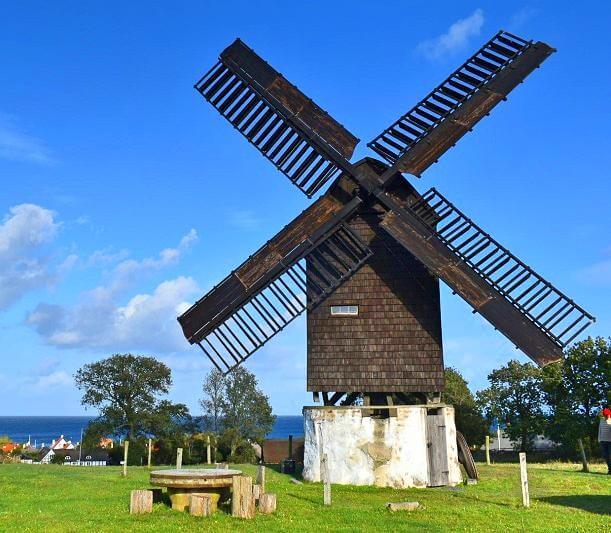
Melsted Agricultural Museum (Landbrugsmuseet)
A coastal gem in Melsted: an open-air museum that brings traditional farming to life with preserved buildings and working machinery. It also offers hands-on activities that showcase old rural skills — from preserves and juices to harvest traditions and daily farm work.
Kobbeådalen
One of Bornholm’s most scenic natural areas near Gudhjem, shaped by the Kobbeå river as it winds through the landscape with bends, small cascades and lush greenery.

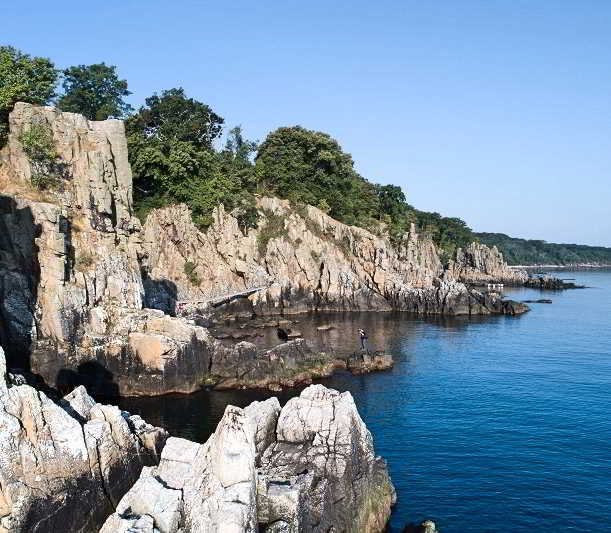
Helligdomsklipperne
Spectacular sea cliffs near Gudhjem with sweeping Baltic views. A popular way to experience the coastline is a boat trip from Gudhjem, passing caves and formations such as Tørre Ovn, Våde Ovn and Lyseklippen. You can also walk there via the path behind Bornholms Kunstmuseum. Don’t miss Sorte Gryde, a dramatic rock “pot” around 55 metres deep.
Døndalen
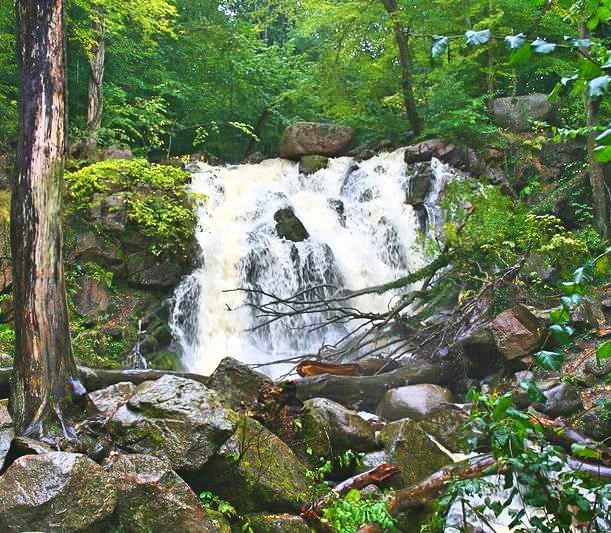
A rift valley best known for Døndalen Waterfall, the largest waterfall in Denmark. Visit after heavy rain for the most impressive flow; during dry periods it may be reduced to a small trickle, but the valley scenery is still worth it.
FAQ — Gudhjem
What is Gudhjem known for?
Gudhjem is known for its cliffside setting, charming harbour atmosphere, the steep Brøddegade street, great food and views towards the Ertholmene archipelago.
What are the top things to see in Gudhjem?
Don’t miss the Gudhjem Windmill (Gudhjem Mølle), Gudhjem Røgeri, Glasrøgeri and Gudhjem Station (the local history archive).
How do you get to the harbour in Gudhjem?
The most iconic route down to the harbour is the steep Brøddegade street.
What are the best nearby attractions around Gudhjem?
Nearby highlights include Røverborgen, Kobbeådalen, Helligdomsklipperne, Døndalen, plus the Melsted Agricultural Museum and Baltic Sea Glass.
Plan Bornholm your way
Choose guided tours or book a bike online and explore the island at your own pace. We can help tailor an itinerary to your dates and travel style.